
Roll, Stroll, and Explore: Easy Trails Steps from UK Trains

Today we spotlight pushchair- and wheelchair-friendly trails that begin a short walk from UK train stations, celebrating routes where smooth surfaces, gentle gradients, clear wayfinding, and welcoming rest points make spontaneous adventures possible. Discover practical planning tips, lived experiences, and easy mini-itineraries to try on your next trip, whether you roll independently or journey with family and friends who value dependable step-free exploration and unrushed, joyful time outdoors.

Step-Free Starts: From Platform to Path

A great outing begins the moment you arrive. Navigating lifts, ramps, wide gates, and clear signage at busy stations is easier with a little preparation and a calm mindset. We’ll help you locate step-free exits, accessible toilets, seating areas, and quieter concourses so you start fresh, unflustered, and ready to enjoy a gentle, nearby walk without unexpected detours or energy-sapping obstacles before your first view even appears.

Spotting Trustworthy Surface Cues

Dense, well-laid asphalt or concrete usually signals an easier roll, especially when seams are smooth and kerbs are consistently dropped at crossings. Watch for tactile paving indicating junctions, and glance ahead for utility covers that can jolt wheels. Painted cycle symbols often coincide with wider, flatter corridors, though always share space courteously. If bricks or pavers appear, check alignment and joint gaps; well-set blocks can be comfortable, while loose ones sap momentum quickly.

Managing Climbs Without Drama

Gentle gradients can still bite after a long train journey. Seek riverside promenades or park perimeters where terrain stays friendlier, and read contour hints from bridges and underpasses before committing. If a slope seems questionable, scan for alternative ramps or a parallel street that rises more gradually. Pace matters: short rests protect shoulders and wrists, and companions can rotate assistance without rushing. Prioritizing the least demanding line preserves enjoyment and independence throughout.

When Weather Changes the Equation

Rain magnifies camber, makes metal plates slick, and hides potholes under puddles. Autumn leaves add stealthy slip, while coastal winds increase rolling resistance and battery use for power chairs. After storms, debris or temporary works can complicate ramps. Dress for changeability, protect hands from chill, and bring a light cloth to wipe wet pushrims or grips. Sensible caution and flexible route choices keep the day uplifting even when clouds surprise everyone.

Surfaces, Gradients, and Real-World Comfort

Not all smooth-looking paths feel the same when you’re pushing, propelling, or guiding. Understanding camber, drainage channels, tactile paving edges, and subtle slopes can save effort and frustration. We’ll talk about surface types that roll beautifully, what to do when cobbles appear, and how to spot rest points before you need them. Focusing on comfort, predictability, and energy management lets you enjoy the scenery instead of wrestling with terrain.

Sample Short Walks Near Major Hubs

These ideas highlight reliably gentle, enjoyable options a brief distance from well-connected stations, ideal for spontaneous adventures. Always verify step-free conditions on the day, because lift outages, construction, or high tides can temporarily affect access. Use official station pages and local authority updates for latest details, and consider sharing any changes you spot so others benefit. Start simple, move at your pace, and celebrate unrushed, inclusive discovery together.

Waterloo to the South Bank Riverside Loop

From Waterloo’s step-free exits, the South Bank offers broad, mostly level promenades with regular benches, riverside views, and playful street life. Aim for gentle stretches between the London Eye and Blackfriars, adjusting distance to comfort. Surfaces are generally smooth, though occasional utility covers and busy hotspots reward patient pacing. Galleries, cafes, and indoor rest points punctuate the route, making it easy to pause, warm up, and continue when you feel ready again.

York Station to Museum Gardens and Riverside

A relaxed roll from York Station leads to leafy Museum Gardens and calm riverside segments, typically reached via level pavements and controlled crossings. Flood conditions can affect some bank-side paths, so check tide or river updates first. When clear, expect friendly gradients, open lawns, and historic backdrops that encourage lingering. Benches and cafes nearby simplify breaks, while the compact distance keeps energy in reserve for exploring exhibits, flowers, or simply savoring gentle city tranquility.
Family-Friendly Stops and Sensory Breaks


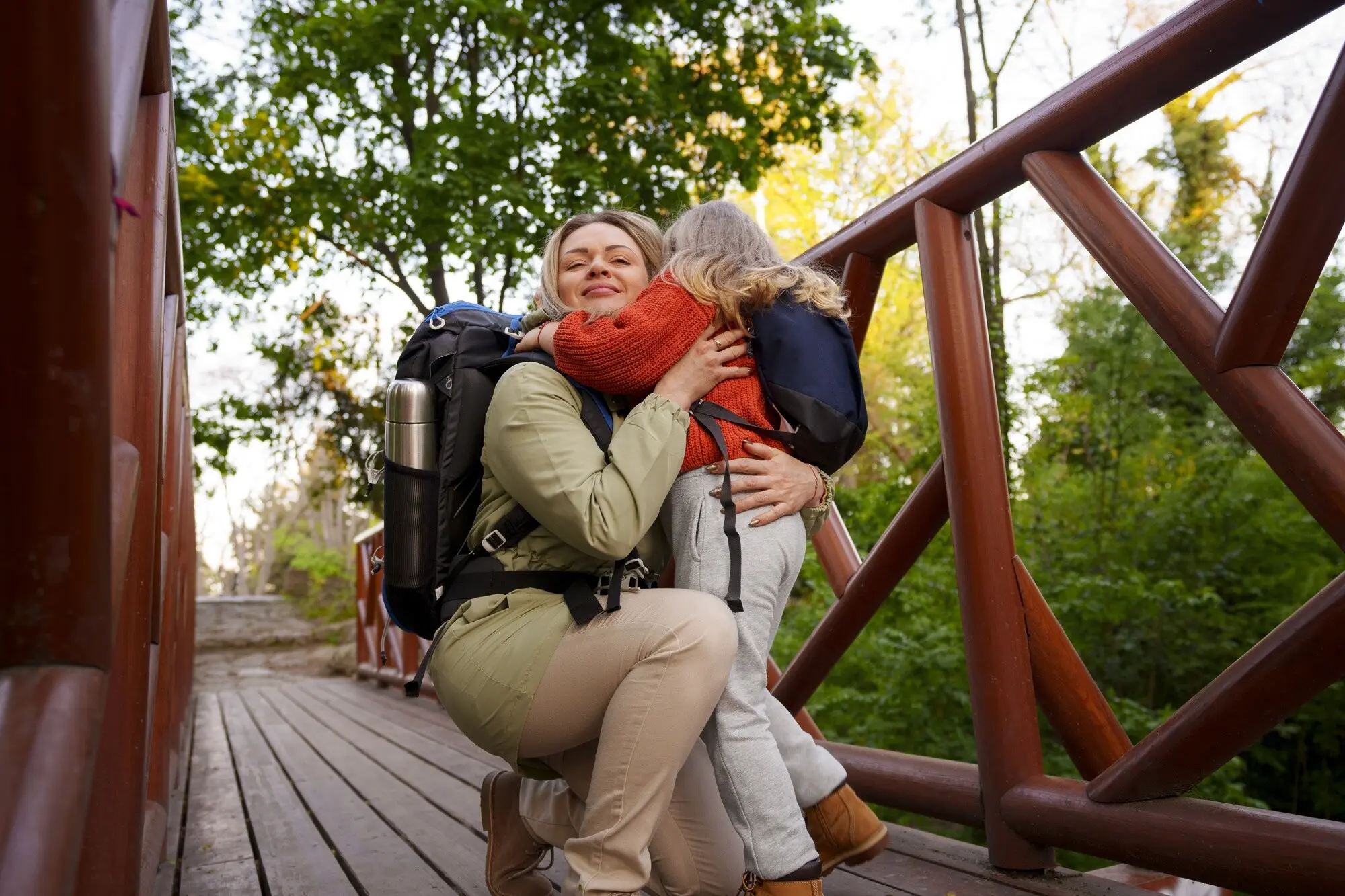
Smooth paths are just the start; peaceful pauses make outings memorable. We spotlight quiet courtyards, shaded benches, museums with lift access, and parks where open sightlines soothe busy minds. For families juggling naps, feeds, or sensory considerations, short distances from stations reduce pressure dramatically. Build journeys around predictable rest options, soft sounds, and friendly amenities so everyone can breathe, reset, and reconnect without sacrificing spontaneity or the day’s uplifting momentum.

Confidence on the Move: Safety, Etiquette, and Support

Shared paths feel welcoming when everyone understands courtesy and communicates needs clearly. We’ll cover eye-level signaling, patient overtakes, and steady pacing so mixed users coexist kindly. You’ll also find guidance on requesting station assistance without losing independence, plus practical packing ideas that keep hands warm, devices charged, and spirits buoyant. With small, smart choices, step-free journeys become smoother, safer, and wonderfully repeatable for seasoned explorers and first-timers alike.

Asking for Assistance with Clarity and Calm

Passenger assistance teams across UK rail can help with directions and station navigation when needed. A simple, specific request—naming the exit, lift, or street you’re aiming for—saves time and preserves autonomy. If you prefer independence, ask for a quick route confirmation, then continue solo. Kind, assertive language fosters collaboration, and having a backup plan in mind reduces pressure. Assistance should feel like a tool you control, not a compromise of your journey.

Sharing Space on Narrow Paths

Where promenades pinch, set a steady line and invite others to pass when safe. Make eye contact, signal with a smile or a brief word, and avoid sudden stops near blind corners. Cyclists and pedestrians appreciate predictable movement, and bell rings or quick thank-yous build goodwill. If approaching another wheelchair, buggy, or mobility scooter, coordinate briefly so neither of you expends extra effort. Thoughtful pacing transforms tight spots into simple, friendly moments of cooperation.

What to Pack for Adaptable Comfort

Layers, lightweight waterproofs, and a compact blanket support changing weather, while a small cloth keeps pushrims or handles grippy when wet. A power bank protects navigation tools, and a RADAR key can unlock accessible toilets where required. Pack snacks, water, and any personal comfort aids you rely on, such as gloves or cushions. A tiny repair or cleaning kit helps with unexpected grit. With these basics, you can pivot calmly through surprises.

Join In: Share Routes, Photos, and Updates

Help this resource grow by contributing real-world insights from your own station-to-trail wanderings. Submit short, clear notes about surfaces, slopes, crossings, benches, and restrooms, and add photos that show widths, kerbs, or tight corners honestly. Your reflections—what delighted you, what you’d tweak—guide others toward smoother days out. Subscribe for new routes, add thoughtful comments, and invite friends who value inclusive exploration to join an ever-widening circle of supportive walkers and rollers.